Comprehensive Guide to Sterile Processing Technician Training in the US
In the modern healthcare system, Sterile Processing Technicians (also known as Central Service Technicians) play a critical role. This position is primarily responsible for cleaning, decontaminating, assembling, and sterilizing medical instruments to ensure that operating rooms and various medical departments meet rigorous safety standards.
Overview of Training Programs
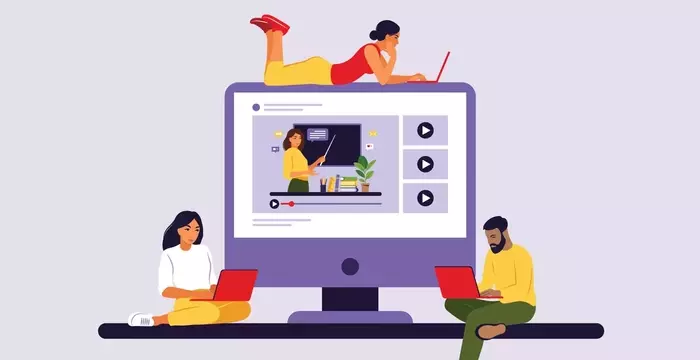
Sterile processing training programs in the US are diverse, offered through online courses, community colleges, and technical schools. Depending on the learning format and institution, the training period typically ranges from 4 to 12 months.

Below is a comparison of representative training programs currently available:
| Program Name | Learning Mode | Est. Duration | Core Focus |
| U.S. Career Institute | Online/Self-paced | 4-9 Months | Flexible schedule for working professionals |
| Pima Medical Institute | Campus/Hybrid | ~9-12 Months | Multiple locations (Phoenix, Seattle, etc.) |
| Seattle Central College | Hybrid | Varies | Includes a 400-hour clinical practicum |
| Purdue University Online | Online | Flexible | Focuses on CRCST exam preparation |
| JVS Boston | In-person | 12 Weeks | Workforce development program in MA |
Detailed Core Workflow
Sterile processing is not just simple cleaning; it is a strict scientific process:
- Decontamination: This is the first line of defense. Technicians wear full Personal Protective Equipment (PPE) and use ultrasonic cleaners or manual scrubbing to remove bio-burden from instruments.
- Inspection & Assembly: In a sterile environment, technicians inspect each instrument for integrity (e.g., sharpness of scissors, alignment of clamps) and assemble them according to precise surgical checklists.
- Sterilization Verification: After using technologies like autoclaves or hydrogen peroxide, technicians must use biological indicators to ensure 100% sterilization success.
Relatedsearches
Certification & Entry Requirements
1. Industry Certification
Most healthcare facilities require technicians to hold the CRCST (Certified Registered Central Service Technician) credential. This certification is managed by the Healthcare Sterile Processing Association (HSPA) and serves as the industry standard.
2. General Prerequisites
- Education: A high school diploma or GED equivalent is required.
- Compliance: Candidates must pass a background check and drug screening.
- Health Standards: Completion of immunizations (COVID-19, Flu, Hep B, etc.) is mandatory.
- Physical Stamina: The role involves lifting heavy instrument trays, requiring the ability to lift 50 to 100 pounds.
Career Outlook and Salary
With advancements in medical technology and the rise of ambulatory surgery centers, the demand for qualified technicians is on a steady upward trend. Industry analysis suggests that job growth in this field often exceeds the average for all occupations. With experience, technicians can advance to senior roles, department supervisors, or clinical educators.
Cost Analysis
Training costs vary significantly. Starting costs for self-study materials are approximately $518, while comprehensive community college courses that include clinical externships often exceed $1,800.
Relatedsearches
Frequently Asked Questions (FAQ)
Q: Can I get certified through online study alone?
A: Not entirely. While the theoretical portion can be completed online, the CRCST certification typically requires 400 hours of hands-on clinical experience in a regulated healthcare facility.
Q: Is a prior medical background required for this career?
A: No. Most entry-level programs are designed for individuals with no prior experience, provided they meet the basic educational and health requirements.
Disclaimer:Information provided is for educational and informational purposes only and does not constitute professional advice. All costs, durations, and requirements are estimates based on public records from the mentioned institutions as of 2026. Specific details should be verified with the respective organizations.
Reference Links
https://www.myhspa.org/
https://www.uscareerinstitute.edu/online-sterile-processing-programs
https://www.pmi.edu/programs/certificate/sterile-processing
https://www.seattlecentral.edu/programs/healthcare/sterile-processing
https://www.bls.gov/ooh/healthcare/medical-records-specialists.htm