Cracks in Survival: The Struggle of Refugees in Kakuma Amidst Aid Cuts

Michele Norris

Former NPR host and founder of The Race Card Project, focusing on race and identity in America.

In the heart of Kenya, the remote Kakuma refugee camp is witnessing a severe crisis as funding for essential food programs dwindles. Over 300,000 refugees, including Martin Komol, a Ugandan father of five, face diminishing rations due to reduced support from major donors like the United States. Since March, when the Trump administration paused its contributions, the World Food Program (WFP) has struggled to sustain adequate nutrition levels for the camp's inhabitants. Rations have been halved, and monthly cash transfers that once allowed refugees to purchase supplementary proteins and vegetables are no longer available. This situation has led to rising malnutrition cases among young children and vulnerable mothers, with hospitals reporting increased admissions and fatalities.

A Glimpse into the Lives of Refugees in Kakuma Camp

In the vast, arid landscape of northern Kenya, the Kakuma refugee camp stands as both a sanctuary and a challenge for those who call it home. Established decades ago, this sprawling settlement now houses over 300,000 individuals fleeing conflicts and hardships from more than 20 countries across Africa. In recent months, however, their struggle has intensified due to financial constraints affecting humanitarian aid organizations.

For Martin Komol, life has become increasingly precarious. His humble mud-walled shelter, battered by harsh weather conditions, barely offers protection. With his latest food allowance depleted weeks ago, he relies on sporadic assistance from neighbors to survive, often managing just one meal per day—or even every two days. Komol’s reluctance to return to Uganda stems not only from fear but also from having buried his wife within the confines of Kakuma.

As resources dwindle, so does hope for balanced diets among residents. Monthly distributions of rice, lentils, and cooking oil have plummeted far below recommended nutritional standards set forth by international bodies. Colin Buleti, head of WFP operations at Kakuma, warns that unless new funds materialize soon, only the most critically vulnerable will receive aid by August.

Beyond immediate sustenance concerns, broader economic impacts ripple through local communities dependent upon these programs. Businessman Chol Jook exemplifies this reality; previously thriving off sales linked to WFP initiatives totaling approximately $5,400 monthly, he now grapples with significant losses amid disappearing revenue streams.

Children bear much of the burden silently. While younger ones play obliviously amidst swirling dust, older siblings like Komol’s ten-year-old daughter immerse themselves in studies during times of scarcity. Yet hunger remains an ever-present companion, leading some families to resort to drinking water merely to feel satiated.

At Kakuma's largest medical facility operated by the International Rescue Committee, nutrition officer Sammy Nyang’a oversees treatment for severely malnourished infants brought in alarmingly late stages. Stabilization wards reflect escalating numbers month after month alongside tragically climbing death tolls. Supplies such as nutrient-rich porridge flours sourced primarily from American donations ran dry earlier this year, further complicating efforts to combat widespread malnutrition.

Susan Martine, another mother grappling with limited provisions, voices shared anxieties about sustaining her family despite meager offerings left under current circumstances.

Through all this turmoil, questions linger regarding long-term sustainability models capable of addressing fundamental needs without relying heavily on fluctuating external supports.

Amidst these challenges lies a poignant reminder of interconnectedness—how decisions made thousands of miles away can profoundly impact lives here in this isolated corner of Kenya.

From a journalistic perspective, this unfolding scenario underscores critical lessons concerning global responsibility and empathy. It calls attention to the importance of stable, predictable funding mechanisms ensuring basic human rights aren't compromised. Readers might consider reflecting on how individual actions or advocacy could contribute positively toward alleviating such crises globally. Whether through supporting reliable donor networks or engaging politically to influence policies favoring humanitarian causes, everyone plays a role in shaping futures for marginalized populations worldwide.


findnewtop.com

icon

Medical Education

Language Education

Professional skills

Art Training

Corporate Training

Revolutionizing Fashion: Vancouver's Commitment to Eco-Friendly DesignNews

Revolutionizing Fashion: Vancouver's Commitment to Eco-Friendly Design

This article highlights a Vancouver-based approach to sustainable fashion. The brand focuses on utilizing various techniques such as natural dyeing, embroidery, and screen printing for their creations. A strong emphasis is placed on minimizing waste by using recycled, thrifted, deadstock, and eco-friendly materials. Additionally, all fabric off-cuts are saved and repurposed for future projects and collections, showcasing a commitment to achieving zero waste in their production process. This method ensures both creativity and environmental responsibility in their fashion pieces.

By Carl Bernstein
Revitalizing Communities: A Local Initiative Combats Food Insecurity Amid Funding ChallengesNews

Revitalizing Communities: A Local Initiative Combats Food Insecurity Amid Funding Challenges

4MyCiTy, a Baltimore-based organization founded in 2018 to combat food insecurity, is expanding its services despite losing significant federal funding. Originally providing store-quality produce and goods for free, the organization now offers a new app for food delivery and driver employment opportunities, promoting a circular economy. Founder Christopher Dipnarine notes the unexpected surge in demand, with daily new sign-ups increasing. Although $900,000 in federal funding was withdrawn due to policy shifts, affecting both food distribution and composting initiatives, 4MyCiTy remains committed to serving the community. The organization seeks alternative funding methods to continue supporting struggling families and empowering individuals through jobs and education.

By Christianne Amanpour
Managing Screen Time for Kids: Expert InsightsNews

Managing Screen Time for Kids: Expert Insights

In the digital age, managing children's screen time, especially during summer, is challenging. Dr. Adrienne Collier advises limiting non-educational screen time to two to three hours daily, emphasizing the importance of outdoor activities for physical and mental health. Excessive screen exposure can lead to sleep disruptions, visual problems, and increased risks of depression and anxiety. She recommends avoiding screens 30-60 minutes before bedtime to improve sleep quality. To foster healthy habits, parents should model behavior by reducing their own screen use during family times, encouraging conversations, and promoting outdoor activities. Setting these boundaries helps ensure balanced technology use and supports overall child development.

By Rageh Omaar
When and How to Address Another Child's Behavior for Your Kid's SafetyNews

When and How to Address Another Child's Behavior for Your Kid's Safety

Dr. Flo Rosen, a retired pediatrician known as "Ask Bubbie" on social media, addresses whether it's acceptable to discipline someone else’s child when your own child is at risk of harm. She advises caution, emphasizing that while physical intervention is generally unacceptable, verbal reprimands can be appropriate in certain situations. Rosen advocates for protecting one's child by intervening verbally or physically if necessary, such as ensuring turns on playground equipment. If the situation doesn't improve, she suggests leaving with your child to avoid making them feel punished. Additionally, Rosen recommends discussing the incident afterward to teach children about assertiveness and sharing. She warns against confronting other parents directly, as it may lead to defensiveness, and emphasizes balancing teaching children independence with protecting them from harm.

By Katty Kay
Darden Restaurants Evaluates Strategic Moves for Bahama BreezeNews

Darden Restaurants Evaluates Strategic Moves for Bahama Breeze

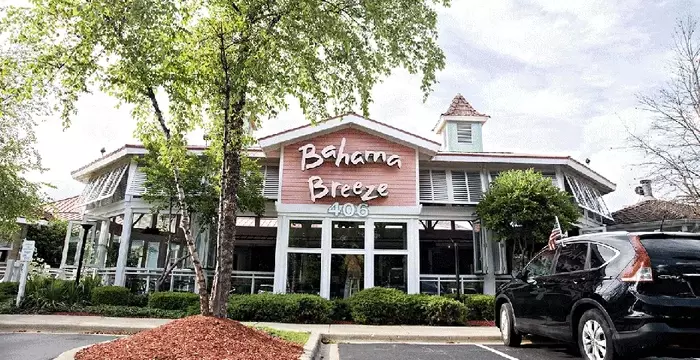
Darden Restaurants is exploring strategic alternatives for its Bahama Breeze chain, which includes potential sales or conversions to other Darden brands. CEO Rick Cardenas announced this decision during an earnings call, stating that Bahama Breeze is no longer a strategic priority and does not meet the company's portfolio criteria. Darden recently closed 15 of the 43 Bahama Breeze locations, leaving 28 as of late May. Known for Caribbean-inspired cuisine, the brand might benefit from new ownership, according to Cardenas. This announcement coincides with Darden's strong fourth-quarter financial results, showing a 10.6% sales increase to $3.27 billion and net earnings of $303.8 million. The company plans for 7-8% total sales growth in fiscal 2026.

By Rageh Omaar
California's SUN Bucks: Feeding Kids During Summer VacationNews

California's SUN Bucks: Feeding Kids During Summer Vacation

California's SUN Bucks program, part of the Summer EBT initiative, is entering its second year to support food-insecure children during summer break. Eligible families receive $120 per child to compensate for the absence of free school meals. Automatic enrollment applies to those already receiving benefits like CalFresh or CalWORKS. Families with last names starting A-L will receive cards in June, while M-Z will follow in July. For those not automatically enrolled, applications via School Meal Application or Universal Benefits Application must be submitted by September 2nd. Kathy Saile from No Kid Hungry California advises checking mailboxes for benefit cards and setting up PINs to access funds usable at grocery stores, farmer’s markets, or online platforms like Amazon and Walmart.

By Ann Curry
Rising Demand for Food Assistance in Northern MichiganNews

Rising Demand for Food Assistance in Northern Michigan

The Manna Food Project in Emmet County, Michigan, reports a 24% increase in food distribution this year, reflecting rising food insecurity across Emmet, Charlevoix, and Antrim counties. Approximately 14.5% of the region's 84,000 residents face challenges in accessing sufficient food. According to Carrie Klingelsmith, Executive Director of the Manna Food Project, financial pressures from housing, daycare, and food costs are making it difficult for people to meet their basic needs. This highlights the growing struggle within the community to address fundamental living expenses and food security.

By Isabel Allende
Food City Boosts Niswonger Children’s Hospital with Generous DonationNews

Food City Boosts Niswonger Children’s Hospital with Generous Donation

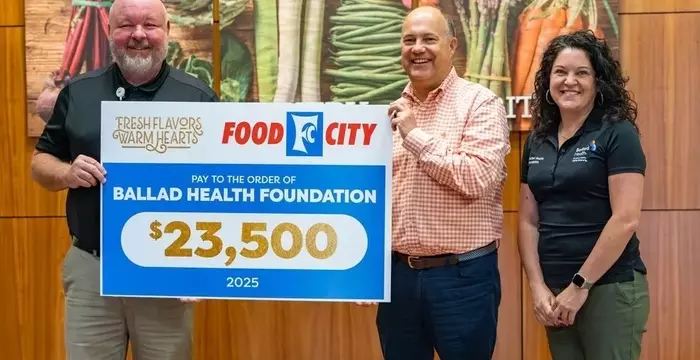
Food City reinforced its longstanding support for Niswonger Children’s Hospital through an annual check presentation on Friday, amounting to $23,500 this year. This contribution will aid the hospital's continuous initiatives and also support Ballad Health’s breast cancer screening programs. The partnership highlights Food City's commitment to enhancing healthcare services for children and contributing to critical health screenings within the community. This act underscores a shared mission between Food City and these health organizations to improve public health outcomes in the region.

By Ann Curry
Championing Inclusivity: Why Transgender Youth Deserve Equal Sporting OpportunitiesNews

Championing Inclusivity: Why Transgender Youth Deserve Equal Sporting Opportunities

President Trump's anti-LGBTQ+ executive orders, including a ban on transgender athletes in girls’ and women’s sports, have drawn unexpected Democratic support. However, this stance perpetuates harmful myths and stigma against trans individuals. Research shows that allowing trans youth to participate in sports consistent with their gender identity improves their mental and physical health, reduces suicidality, and fosters inclusion without harming cisgender participants. States with inclusive policies even see increased sports participation among all girls. Myths about unfair advantages or threats to girls' sports are debunked by evidence showing trans athletes vary greatly in ability, similar to cis athletes. Democrats should prioritize the well-being of trans youth over political gain, as denying them sports opportunities causes unnecessary harm.

By Christianne Amanpour
Market Minute: Tech Woes and Emerging OpportunitiesNews

Market Minute: Tech Woes and Emerging Opportunities

US stocks are declining due to a tech sector sell-off, fueled by potential US actions against allies with semiconductor plants in China, which has reignited trade war concerns and impacted chip stocks. Conversely, stablecoin issuer Circle's shares are rising following its first buy rating, with analysts predicting significant growth in the global stablecoin market. Kroger's shares are also climbing after exceeding sales estimates and upgrading full-year sales guidance, despite noting economic uncertainty as a possible challenge. This Yahoo Finance market minute highlights these key movements and suggests scanning a QR code for further details on stock performance.

By Katty Kay
Wyoming's Appeal to Wealthy Homebuyers: A Tax Haven in the RockiesNews

Wyoming's Appeal to Wealthy Homebuyers: A Tax Haven in the Rockies

Wyoming's tax policies, highlighted by Governor Mark Gordon, emphasize predictability and stability, making the state highly attractive to wealthy homebuyers. With no income tax and support for dynasty trusts, which minimize taxes for wealth transfer across generations, Wyoming offers significant financial advantages. Latham Jenkins of Live Water Jackson Hole notes it as the "most tax-friendly state," further boosted by untaxed retirement benefits. The median home price in Wyoming was $495,000 in May, but luxury properties, particularly in Teton County, command millions, with 3% of homes priced over $5 million. Buyers of homes above $10 million often use cash transactions due to tax benefits, while lower-priced homes are more likely to involve mortgages. Wyoming’s real estate market shows resilience, with sellers holding properties longer and confidence in pricing strategies.

By Rageh Omaar
Gaming Lounge Transforms Summer Fun into Educational OpportunitiesNews

Gaming Lounge Transforms Summer Fun into Educational Opportunities

Olympus Gaming Lounge, Louisville's first esports and videogaming lounge, offers a welcoming space for gamers aged six to 79. Founded by Nima Asgari, the lounge provides a safe environment where children can enjoy gaming and socialize. Caiden Farlow, a young gamer, appreciates the opportunity to meet friends and enhance his building skills through games like Fortnite. Building on this interest, Asgari launched a S.T.E.M. summer camp at the lounge starting June 23, teaching kids coding and editing skills. The camp operates three days a week for a month, costing $99 weekly, with discounts available for low-income families through community partnerships. This initiative aims to engage children in constructive activities, steering them away from potential trouble.

By Ann Curry
Food Insecurity in Southern Nevada: A Growing ConcernNews

Food Insecurity in Southern Nevada: A Growing Concern

This summer, Southern Nevada faces a significant rise in food insecurity, with 377,270 residents lacking stable access to food, an increase of 35,790 from previous years, according to Three Square Food Bank. The food bank, aiming to prevent hunger within the community, has partnered with the Library District for the "Meet Up and Eat Up" program, providing meals to children and seniors during summer months when school meals are unavailable. Last year, over 2,300 meals were served through this initiative. Despite efforts, the growing number of hungry individuals, including children, remains alarming, highlighting the ongoing challenge of food insecurity in the region. Meal availability varies by library location.

By Katty Kay
Empowering Lives: A Rehabilitation Center's Impact on ChildrenNews

Empowering Lives: A Rehabilitation Center's Impact on Children

Ability KC, a rehabilitation facility in Kansas City, provides specialized programs and therapy services to help children and adults regain independence after mobility challenges. Marleigh, a young girl who faced severe difficulties post-surgery for a brain tumor, regained her ability to walk and play thanks to Ability KC's therapies. Her progress exemplifies the life-changing impact of the center. However, insurance often limits coverage for such therapies, leaving gaps that families struggle to fill. To support more children, KMBC 9 Cares for Kids is collaborating with Ability KC, aiming to fund therapy sessions for at least 200 children. Donations are crucial to achieving this goal and ensuring continued access to these vital services.

By Rageh Omaar
Michigan Takes Steps to Resolve Issues with Campaign Finance SystemNews

Michigan Takes Steps to Resolve Issues with Campaign Finance System

Michigan Secretary of State Jocelyn Benson has outlined corrective measures to address issues with the newly launched $9 million Michigan Information Transparency Network (MiTN) campaign finance reporting system. The department is implementing a corrective action plan, enhanced "go live" approval processes, and increased project management support. Staff are working extended hours to improve the system's functionality, which initially caused reporting delays and user frustration. Collaborating closely with Tyler Technologies, the contracted vendor, the department aims to process refunds for downtime and ensure payments are suspended until the system functions as expected. Key improvements include additional data fields, an enhanced public search function, and better filer experience. Benson plans to testify before the House Oversight Committee, focusing solely on MiTN improvements amidst ongoing legal disputes.

By Katty Kay