Explore Medical Assistant Programs: Pathways to Healthcare Careers
What Medical Assistant Classes Cover
Medical assistant classes provide foundational knowledge and practical skills required for assisting healthcare professionals in clinical and administrative tasks. The curriculum generally includes anatomy, physiology, medical terminology, patient interaction, and basic clinical practices such as taking vital signs and administering injections. Training also covers medical ethics and healthcare regulations, which are essential in any medical environment. Medical assistant education aims to develop competencies necessary for managing patient records and performing clinical tasks in diverse healthcare settings.
Relatedsearches
Career Opportunities After Completing Medical Assistant Classes
Graduates of medical assistant programs have access to various employment opportunities within the healthcare sector. Positions are available in hospitals, private practices, urgent care centers, and outpatient clinics. Specialized fields such as pediatrics, cardiology, and orthopedics often seek medical assistants, allowing individuals to work in areas aligned with specific interests. Career advancement opportunities are available through experience and certification, and initial roles can serve as a foundation for future positions in nursing or healthcare administration.
Typical Course Duration and Certification
Medical assistant programs are typically structured to be completed efficiently, with many courses lasting approximately six months. Training options are offered through community colleges, vocational schools, and online institutions, providing flexibility for different schedules. . Certification is not mandatory for all positions but can enhance competitiveness in the job market.
Practical Skills and Hands-On Training
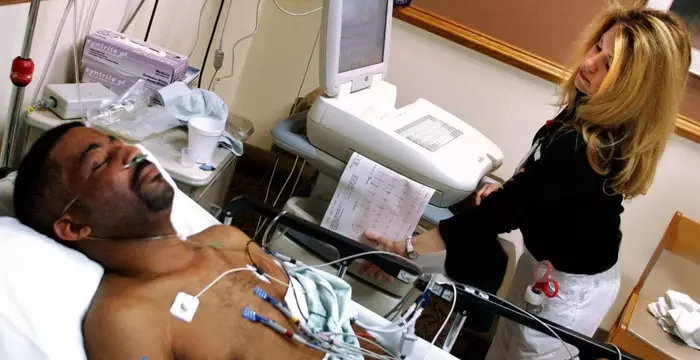
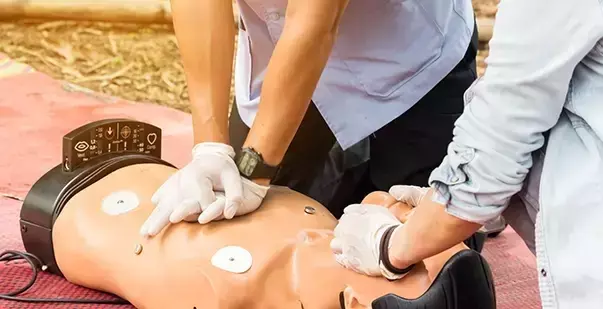
Medical assistant programs often incorporate hands-on training components alongside classroom instruction. Practical experience is acquired through clinical externships conducted under professional supervision in healthcare environments. Skills developed during externships include drawing blood, preparing laboratory samples, and assisting with minor medical procedures. This experience is critical for building the ability to manage real-world clinical situations confidently and competently.
The Importance of Soft Skills in Medical Assisting
Medical assistant education emphasizes not only technical proficiency but also the cultivation of soft skills such as communication, empathy, and organizational ability. Professionals in this role often serve as initial points of contact for patients, and strong interpersonal skills contribute to creating positive patient experiences. Organizational competence is equally important for efficiently handling patient documentation and appointment scheduling.
The Role of a Medical Assistant
Medical assisting offers an accessible pathway into the healthcare industry without the extended educational requirements associated with other medical careers. As healthcare services expand to meet the needs of an aging population, demand for medical assistants is projected to increase. Responsibilities typically span from administrative support to direct patient care, resulting in dynamic daily activities. This profession provides meaningful engagement in patient support and healthcare operations and serves as a valuable stepping stone for those seeking long-term career growth within the healthcare field.