Irrigation System Installation Guide: From Site Assessment to Post-Install Calibration
Introduction to Irrigation System Installation
Irrigation system installation involves a structured sequence of planning, design, construction, and calibration steps tailored to specific landscape or agricultural needs. The process integrates analysis of natural conditions, equipment selection, and adherence to functional requirements to achieve efficient water distribution and plant health support . Success depends on alignment with soil characteristics, climate patterns, and water source capabilities.
Relatedsearches
Pre-Installation Planning and Design
Site Assessment and Data Collection
Foundational planning begins with comprehensive site analysis to gather critical parameters. This includes mapping irrigation boundaries and documenting topography, soil composition, and existing vegetation distribution . Soil testing identifies texture and water retention properties—sandy soils with high infiltration rates demand different system designs than clay soils with low drainage . Climate data, such as rainfall patterns and evaporation rates, informs irrigation frequency and volume calculations.
Water source evaluation verifies quality and availability, with assessments of flow rate and potential contaminants . Slope and terrain variations are mapped to address runoff risks; steeper areas often require systems that minimize land modification needs . Regulatory compliance checks ensure alignment with local water usage and installation codes.
System Design Development
Design phases translate site data into functional configurations. Irrigation method selection considers natural conditions: sprinkler or drip systems suit sloped terrain or sandy soils, while surface irrigation may be preferred for clay soils or water with high sediment content . Irrigation zones are divided based on plant water needs and soil characteristics to enable independent control .
Pipe layouts are designed to minimize pressure loss, with sizing matched to anticipated flow demands . Equipment specifications include selection of sprinklers, drip lines, valves, and controllers appropriate for the designated irrigation method . Pressure regulators and filters are integrated at water entry points to protect system components from debris and pressure fluctuations .
Material Preparation and Construction
Pre-Construction Readiness
Preparation involves procuring equipment and tools aligned with design specifications. Pipes, fittings, irrigation heads, and control devices are verified for compatibility with site conditions and water source properties . Tools for excavation, cutting, and assembly—such as trenchers, pipe cutters, and sealing materials—are assembled prior to construction . Pre-installation inspections confirm material integrity to avoid disruptions during construction .
Installation Execution
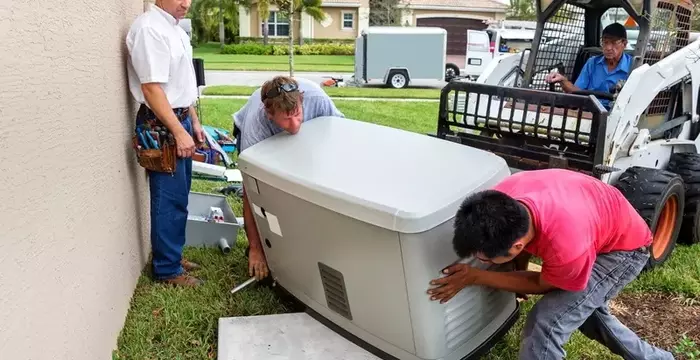
Construction begins with marking pipe and equipment locations according to design plans . Trenching proceeds to depths that protect pipes from external pressure and exposure, with dimensions matching pipe size requirements . Main and branch pipes are laid and connected using sealed fittings to prevent leakage .
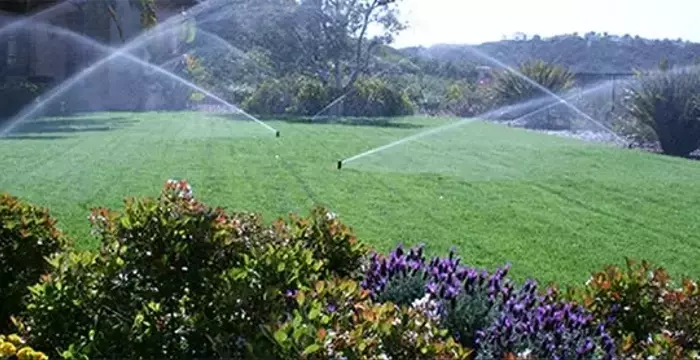
Irrigation devices—including sprinklers, drip emitters, and micro-spray heads—are positioned to ensure coverage consistency, with orientations adjusted for plant type and spacing . Control systems, such as automated controllers and zone valves, are installed to regulate water distribution timing and volume . Filters and pressure regulators are integrated at the water source inlet to maintain system performance . Backfilling of trenches follows equipment installation, with soil compacted to stabilize pipe positioning .
Post-Installation Testing and Maintenance
Relatedsearches
System Calibration
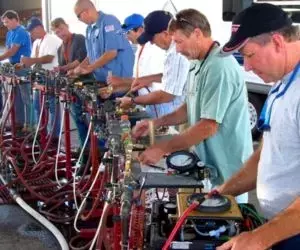
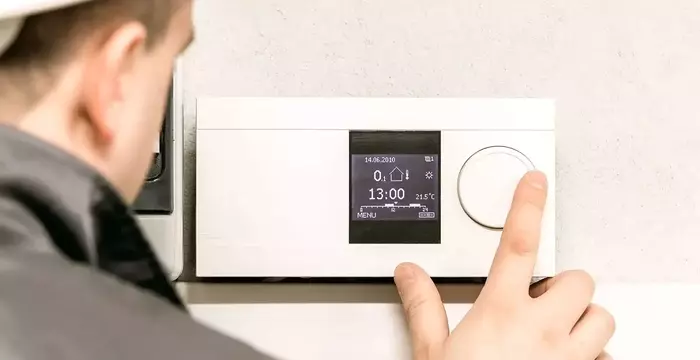
Commissioning involves systematic testing of all components. Pipe connections are inspected for leaks, with adjustments to fittings as needed . Water pressure and flow rates are measured across zones, with regulators adjusted to meet design specifications . Irrigation devices are tested individually to verify coverage area and water output consistency . Automated controllers are programmed and validated to ensure adherence to scheduled irrigation cycles .
Long-Term Maintenance
Sustained performance requires regular upkeep activities. Filters are cleaned periodically to prevent clogging from sediment or debris . Pipes, valves, and irrigation heads are inspected for damage or wear, with replacements made as necessary . Irrigation schedules are adjusted seasonally to align with changing plant needs and climate conditions . Moisture-sensing technology, where integrated, is calibrated to maintain accurate water demand detection .
Conclusion
Irrigation system installation is a multi-phase process shaped by site-specific conditions and functional requirements. From initial site assessment and design to construction and maintenance, each step contributes to efficient water usage and reliable plant irrigation. Adherence to natural condition analysis and equipment compatibility principles supports system longevity and performance. Detailed planning and systematic execution are central to aligning installations with landscape or agricultural objectives.