MRI Technologist Training: A General Scientific Overview
MRI technologist training focuses on the knowledge and skills required to perform magnetic resonance imaging procedures in clinical settings. MRI, or Magnetic Resonance Imaging, is a non-invasive diagnostic technique that uses strong magnetic fields and radio waves to generate detailed images of internal body structures.
Relatedsearches
Core Areas of Study in MRI Technologist Training:
- Human Anatomy and Physiology A foundational understanding of human body systems is essential. Emphasis is placed on anatomical structures commonly imaged using MRI, including the brain, spine, joints, abdomen, and cardiovascular system.
- Principles of Magnetic Resonance Imaging Training includes the physics of MRI, such as the behavior of hydrogen atoms in magnetic fields, radiofrequency pulses, relaxation times (T1, T2), signal generation, and image contrast.
- MRI Safety Comprehensive knowledge of MRI safety protocols is required. This includes awareness of magnetic field strength, the risks of ferromagnetic objects, implant safety screening, and emergency procedures related to cryogen leaks or equipment malfunction.
- MRI Equipment Operation Technologists learn to operate MRI scanners, including calibration, sequence selection, coil placement, and patient positioning. Understanding how to optimize image quality while minimizing scan time is a key focus.
- Patient Care Procedures Includes preparation of individuals for scanning, explanation of procedures, and monitoring during imaging. Special considerations may apply to those with limited mobility, anxiety, or implants.
- Image Evaluation Training often covers basic assessment of image quality, identification of common artifacts, and ensuring that images meet diagnostic criteria before submission to radiologists.
- Ethics and Legal Responsibilities Includes instruction on patient confidentiality, professional conduct, informed consent, and documentation standards in medical imaging environments.
Common Clinical Applications Covered:
- Neurological imaging for conditions affecting the brain and spinal cord
- Musculoskeletal imaging to assess joints, ligaments, and soft tissues
- Abdominal imaging to evaluate organs such as the liver, kidneys, and pancreas
- Cardiovascular imaging for heart structure and blood flow assessment
- Breast MRI for supplemental imaging in specific diagnostic contexts
Technical Skills Developed:
- Adjusting imaging parameters for different body regions and pathologies
- Recognizing and minimizing common imaging artifacts
- Applying advanced techniques such as functional MRI or MR angiography
- Ensuring compliance with safety regulations related to electromagnetic environments
Learning Methods Often Used:
- Classroom-based theoretical instruction
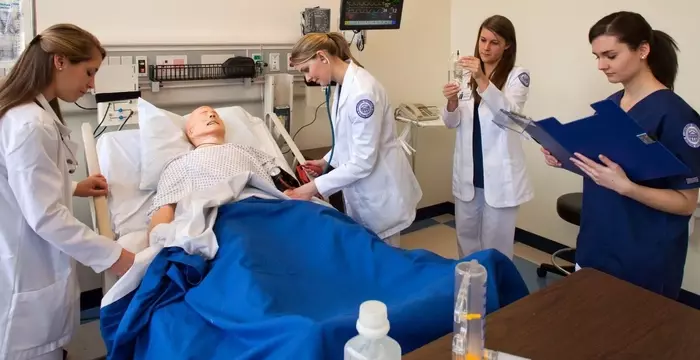
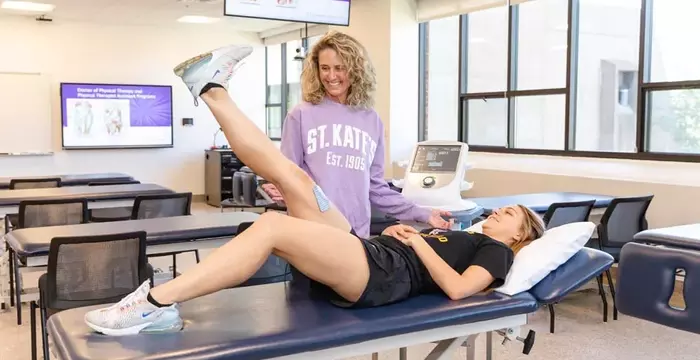
- Hands-on clinical practice in healthcare settings
- Laboratory simulation using MRI equipment
- Supervised practice under the guidance of certified professionals
Relatedsearches
MRI technologist training encompasses both theoretical understanding and technical proficiency. Mastery of imaging science, safety procedures, patient interaction, and equipment use forms the foundation of this specialized area in medical imaging.