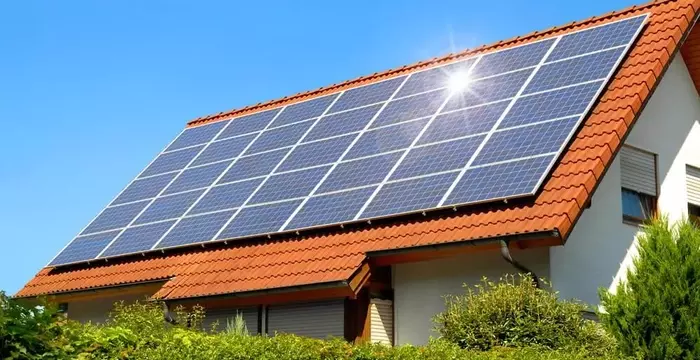
Roof Replacement 101: Materials, Costs & What to Expect
Roof Replacement 101: Materials, Costs & What to Expect
Replacing a roof is one of the most significant investments a homeowner can make. Whether your roof is aging, damaged, or simply outdated, understanding the process—from materials to costs—can help you make informed decisions. This guide breaks down everything you need to know about roof replacement in the U.S.
Relatedsearches
1. When Should You Replace Your Roof?
https://acculynx.com/understanding-the-top-5-most-popular-roofing-materials-among-homeowners/
Most roofs last 20-30 years, depending on materials and climate. Key signs you need a replacement:
- Missing, cracked, or curling shingles
- Leaks or water stains on ceilings
- Granules from asphalt shingles in gutters
- Sagging or uneven roof lines
- Higher energy bills (poor insulation or ventilation)
A professional inspection can confirm whether repairs or a full replacement are needed.
2. Common Roofing Materials in the U.S.
1. Asphalt Shingles
- Most popular
- Cost: $70-120 per square.
- Lifespan: 20–25 years.
- Pros: Affordable, easy to install, variety of colors.
- Cons: Less durable than other materials.
2. Metal Roofing
- Cost: $100 to $800 per square.
- Lifespan: 40–75 years.
- Pros: Energy-efficient, fire-resistant, lightweight.
- Cons: Higher upfront cost, noisy during rain.
3. Clay or Concrete Tiles
- Cost: $300 to $500 per square.
- Lifespan: 50+ years.
- Pros: Extremely durable, fireproof, aesthetic appeal.
- Cons: Heavy (may need reinforced framing), expensive.
4. Wood Shakes (Cedar or Redwood)
- Cost: $100 to $150 per square.
- Lifespan: 25–30 years.
- Pros: Natural look, good insulation.
- Cons: Requires maintenance, fire risk (unless treated).
5. Slate Roofing
- Cost: $600+ per square.
- Lifespan: 50–100 years.
- Pros: Longest-lasting, elegant appearance.
- Cons: Very heavy, expensive, fragile during installation.
3. How Much Does Roof Replacement Cost?
The average U.S. roof replacement costs depending on:
- Roof size (most contractors charge per "square" = 100 sq. ft.).
- Material choice (asphalt is cheapest; slate is most expensive).
- Labor costs (varies by region and contractor).
- Roof pitch & complexity (steep or multi-level roofs cost more).
- Permits & disposal fees.
4. The Roof Replacement Process: Step by Step
Inspection & EstimateA roofer assesses damage, measures the roof, and provides a written estimate.
- Choosing Materials & ContractorCompare quotes (get at least 3) and check reviews (BBB, Angi, Yelp).
- Permits & SchedulingMost states require permits for full replacements.
- Removal of Old RoofCrews strip old shingles, inspect the decking, and replace rotten wood.
- InstallationNew underlayment, flashing, and shingles/tiles are installed.
- Cleanup & Final InspectionDebris is removed, and the contractor ensures proper sealing.
Timeline: Typically 2–5 days, but complex roofs may take longer.
5. How to Save Money on Roof Replacement
- Get multiple quotes (prices vary widely by contractor).
- Consider architectural shingles (better durability for slightly higher cost).
- Schedule in off-season (fall/winter may have discounts).
- Check for insurance coverage (if damage is storm-related).
- Ask about warranties (25+ years for premium materials).
Relatedsearches
Conclusion
A roof replacement is a major project, but choosing the right materials and contractor ensures long-term protection for your home. Asphalt shingles offer affordability, while metal or slate provide longevity. Always prioritize quality installation—a poorly done roof can lead to costly repairs later.