Ultra-low-cost home repairs for seniors: services to improve living conditions
As people age, they often face various challenges related to their living environments. From narrow doorways to loose floorboards, these issues might seem insignificant, but they can pose serious safety risks for senior citizens. To help seniors continue living independently and enjoy a comfortable, safe living environment, providing ultra-low-cost home repair services is crucial. This article will detail which seniors are most in need of home repairs, how to apply for these services, the application process, approval times, common questions and answers, and the types of services provided.
Relatedsearches
Which Seniors Are Most in Need of Home Repairs?
Not all seniors are able to maintain their homes easily, especially those with low income or limited mobility. The following groups of seniors are particularly in need of home repair services:
1.Low-Income Seniors Many seniors live on fixed incomes and cannot afford home repairs. For this group, ultra-low-cost home repair programs provide an important avenue to maintain safe living conditions.
2.Seniors with Limited Mobility As people age, they often face mobility issues, loss of balance, and other health concerns. Stairs, bathrooms, and other areas can become obstacles, requiring necessary modifications and repairs.
3.Seniors Living in Older Homes Older homes often have structural issues, outdated plumbing, or electrical systems that, if left unaddressed, can lead to safety hazards. Repair programs are essential to ensure these homes are safe and functional.
4.Seniors Living in Rural or Remote Areas Many seniors living in rural or isolated areas may not have easy access to the resources necessary to address home repair issues, making these services even more critical.
How to Apply for Home Repair Services
Seniors in need of home repairs can apply for ultra-low-cost services in several ways:
1.Contact Local Non-Profit Organizations Many non-profit organizations, such as Rebuilding Together and Habitat for Humanity, specialize in providing home repairs for seniors. Seniors can contact these organizations directly, fill out the required forms, and provide necessary documentation.
2.Through Area Agencies on Aging (AAA) Local Area Agencies on Aging (AAA) provide a range of services for seniors, including home repairs. Seniors can contact their local AAA office for detailed information and guidance on how to apply.
3.Apply for Government Grants The U.S. Department of Housing and Urban Development (HUD) offers home repair grants for low-income seniors. Seniors can apply through the Section 504 Home Repair Program, which helps repair older homes.
4.Contact Religious and Community Volunteer Groups Some religious organizations and community volunteer groups regularly organize home repair events to assist seniors. These services are typically offered at very low costs or for a small fee.
Types of Services Provided in Home Repair Programs
Home repair programs for seniors typically offer the following types of services:
1.Structural Repairs One of the most common issues seniors face is structural damage in their homes. These repairs can include fixing walls, floors, roofs, doors, and windows to ensure the home remains safe and livable.
2.Bathroom Modifications and Safety Improvements Bathrooms are one of the most common areas where seniors experience falls and injuries. Home repair programs often provide safety modifications, such as installing grab bars, adjusting shower heights, and replacing slippery floors to reduce the risk of accidents.
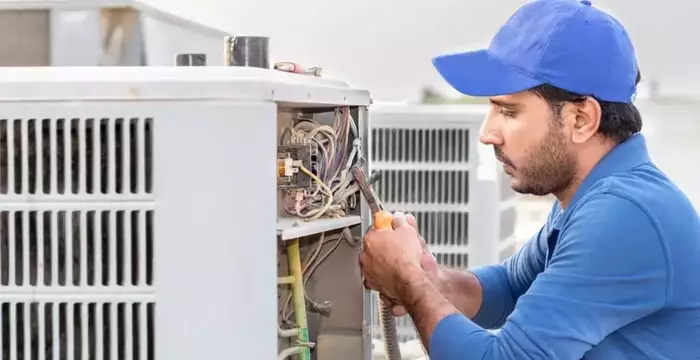
3.Electrical and Plumbing Repairs Aging homes often have outdated electrical systems and plumbing that can become hazardous. Repair programs typically include electrical inspections, socket replacements, and plumbing repairs to ensure safety and functionality.
4.Door and Window Replacements and Security Upgrades Replacing and repairing doors and windows is an important aspect of home security. These services often include installing new windows and doors, ensuring they are secure and energy-efficient, which also helps seniors save on heating and cooling costs.
5.Stair and Accessibility Modifications For seniors with limited mobility, stairs can be a significant hazard. Many programs offer modifications to make homes more accessible, such as adding handrails, installing ramps at doorways, and widening hallways to allow for easier movement.
6.Home Environment Improvements In addition to safety and functional repairs, many programs also offer environmental improvements, such as painting walls, fixing flooring, and making the home more comfortable and aesthetically pleasing.
The Application Process for Home Repair Services
The specific process for applying for home repair services may vary depending on the organization or location, but generally, the following steps are involved:
1.Initial Consultation The first step is to contact the relevant organization to inquire about available services and eligibility requirements. Seniors can do this by calling, visiting the organization’s website, or directly visiting a local community center.
2.Submit an Application After determining that the service is available, the senior will need to fill out an application form, providing necessary documents such as proof of income, identification, and a description of the repair needs.
3.Assessment and Review Once the application is submitted, the organization will schedule an assessment of the home. A professional will evaluate the home's condition and determine the necessary repairs. They will also verify whether the senior qualifies for ultra-low-cost services based on their income and other criteria.
4.Approval and Repair Scheduling If the application is approved, the senior will receive a notice of approval, and the repair work will be scheduled. Depending on the specific program and the complexity of the repairs, the work may begin in a few weeks to a few months.
Approval Times for Home Repair Services
The time it takes to receive approval for home repair services depends on several factors:
1.Urgency of the Situation: If the home has significant safety risks, approval may be expedited.
2.Resources Available: The availability of funds and resources at the organization may impact how quickly repairs are approved and scheduled.
3.Complexity of Repairs: Simple repairs may be completed within a few weeks, while more extensive repairs may take longer to arrange.
Generally, approval times range from 2 to 8 weeks, depending on the situation.
Common Questions and Answers
1.Are there eligibility restrictions for applying for home repair services? Yes, applicants generally need to meet specific eligibility criteria, including income limitations, age requirements, and the nature of the repairs needed. Different organizations may have slightly different requirements.
2.Is there a cost for these repair services? Most organizations offering home repairs for seniors charge extremely low costs, but the services are typically subsidized to ensure affordability for low-income seniors.
3.Do seniors need to temporarily move out of their homes for repairs? In most cases, seniors do not need to leave their homes, especially for minor repairs. However, more extensive work (such as roof repairs or plumbing replacements) may require temporary relocation for safety reasons.
4.How can I ensure my home remains safe after repairs? After repairs are completed, the organization typically conducts a follow-up inspection to ensure the work meets safety standards. If there are any issues, the senior can contact the organization for additional assistance.

Case Study: John’s Home Repair Journey
John, an 82-year-old retired man, lived in an older home that had been in disrepair for years. The roof was leaking, and the bathroom facilities were outdated, especially lacking grab bars. With limited financial resources, John was unable to afford the necessary repairs.
Through his local Area Agency on Aging (AAA), John applied for ultra-low-cost home repair services. The staff evaluated his home and provided a comprehensive range of repairs, including roof repair, installation of grab bars in the bathroom, and lighting improvements. The repairs were carried out by a mix of volunteers and local contractors, and the entire process went smoothly.
John now feels safer in his home, with improved living conditions. He no longer worries about roof leaks or bathroom falls and is grateful for the assistance he received, which made a significant difference in his daily life.
Relatedsearches
Conclusion
Providing ultra-low-cost home repair services for seniors is not only essential for improving their quality of life but also critical for enhancing their safety. With the growing senior population, the demand for home repairs is increasing. Through the help of various organizations, seniors can access affordable repair services, ensuring they can continue to live independently in a safe and comfortable environment. Whether through non-profits, government programs, or local community volunteers, these services offer seniors the opportunity to eliminate hazards in their homes and live healthier, more secure lives.