The Case for Embracing Unstructured Summers: A Pathway to Growth
 Ann Curry
Award-winning journalist and former NBC News anchor and Today show co-host.
Ann CurryAward-winning journalist and former NBC News anchor and Today show co-host.

 News
NewsItaly is set to invest up to €250 million in the Africa Finance Corporation to strengthen its involvement in critical minerals and renewable energy supply chains. This initiative is supported by a 10-year loan facility from Cassa Depositi e Prestiti SpA, with SACE, Italy's export-credit agency, guaranteeing up to 80% of the loan. The move aims to enhance Italy's strategic presence in global supply chains through financial collaboration and support for sustainable development projects in Africa. This partnership underscores Italy's commitment to energy transition and economic diversification.
 News
NewsThe Nintendo Switch 2's *Survival Kids* revival marks a significant shift from its original Game Boy Color roots as a solo, survival-focused experience to a cooperative exploration game aimed at younger audiences. Players control a group of adventurers stranded at sea, tasked with restoring a lighthouse while navigating linear levels filled with light puzzles and timed challenges. The game emphasizes co-op play but remains accessible in solo mode. However, it lacks the depth of traditional survival mechanics, featuring constant narration and a rigid structure that may frustrate older players despite its charm and growing complexity. While enjoyable for its target demographic, *Survival Kids* feels repetitive and overly guided for seasoned gamers.
 News
NewsHormel has filed a lawsuit against Johnsonville, accusing a former employee of sharing trade-secret recipes and market intelligence with the competitor. The dispute highlights the competitive nature of the U.S. sausage industry, which generated $8.5 billion in sales last year. Hormel also alleges that another ex-employee violated a non-solicitation agreement by attempting to recruit other Hormel staff to Johnsonville. Despite reaching out to Johnsonville regarding the alleged misconduct, Hormel claims the company did not cooperate. The lawsuit seeks the return and deletion of confidential information and unspecified damages. Johnsonville has yet to comment on the allegations. This legal battle underscores the significance of protecting proprietary data in a highly competitive market.
 News
NewsIn Kakuma refugee camp, Kenya, Martin Komol and over 300,000 other refugees face severe food shortages as the U.N. World Food Program (WFP) suffers funding cuts due to reduced U.S. support under the Trump administration. Food rations have been halved, with monthly rice allotments dropping from 9 to 3 kilograms per person. Cash transfers enabling the purchase of essential nutrients have ceased, exacerbating malnutrition among children and vulnerable groups. WFP warns that without new funding by August, assistance will be limited to the most vulnerable. Local businesses also suffer losses with the end of cash transfers. Rising hunger cases strain the camp's healthcare system, with increasing child mortality rates reported at the International Rescue Committee-run hospital.
 News
NewsThis article highlights a Vancouver-based approach to sustainable fashion. The brand focuses on utilizing various techniques such as natural dyeing, embroidery, and screen printing for their creations. A strong emphasis is placed on minimizing waste by using recycled, thrifted, deadstock, and eco-friendly materials. Additionally, all fabric off-cuts are saved and repurposed for future projects and collections, showcasing a commitment to achieving zero waste in their production process. This method ensures both creativity and environmental responsibility in their fashion pieces.
 News
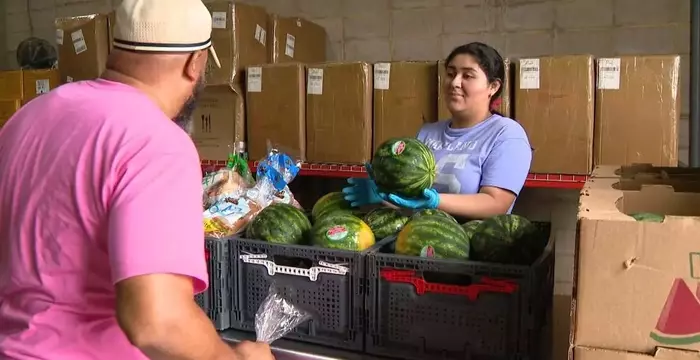
News4MyCiTy, a Baltimore-based organization founded in 2018 to combat food insecurity, is expanding its services despite losing significant federal funding. Originally providing store-quality produce and goods for free, the organization now offers a new app for food delivery and driver employment opportunities, promoting a circular economy. Founder Christopher Dipnarine notes the unexpected surge in demand, with daily new sign-ups increasing. Although $900,000 in federal funding was withdrawn due to policy shifts, affecting both food distribution and composting initiatives, 4MyCiTy remains committed to serving the community. The organization seeks alternative funding methods to continue supporting struggling families and empowering individuals through jobs and education.
 News
NewsIn the digital age, managing children's screen time, especially during summer, is challenging. Dr. Adrienne Collier advises limiting non-educational screen time to two to three hours daily, emphasizing the importance of outdoor activities for physical and mental health. Excessive screen exposure can lead to sleep disruptions, visual problems, and increased risks of depression and anxiety. She recommends avoiding screens 30-60 minutes before bedtime to improve sleep quality. To foster healthy habits, parents should model behavior by reducing their own screen use during family times, encouraging conversations, and promoting outdoor activities. Setting these boundaries helps ensure balanced technology use and supports overall child development.
 News
NewsDr. Flo Rosen, a retired pediatrician known as "Ask Bubbie" on social media, addresses whether it's acceptable to discipline someone else’s child when your own child is at risk of harm. She advises caution, emphasizing that while physical intervention is generally unacceptable, verbal reprimands can be appropriate in certain situations. Rosen advocates for protecting one's child by intervening verbally or physically if necessary, such as ensuring turns on playground equipment. If the situation doesn't improve, she suggests leaving with your child to avoid making them feel punished. Additionally, Rosen recommends discussing the incident afterward to teach children about assertiveness and sharing. She warns against confronting other parents directly, as it may lead to defensiveness, and emphasizes balancing teaching children independence with protecting them from harm.
 News
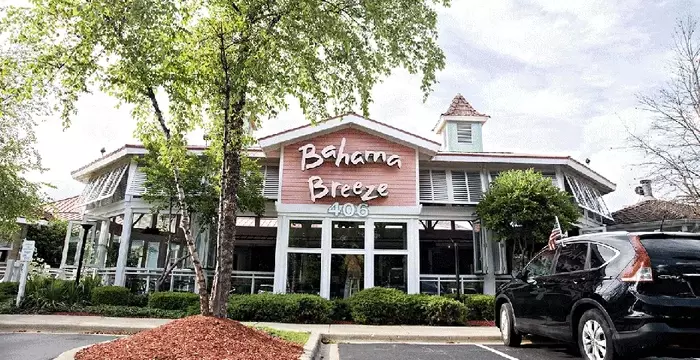
NewsDarden Restaurants is exploring strategic alternatives for its Bahama Breeze chain, which includes potential sales or conversions to other Darden brands. CEO Rick Cardenas announced this decision during an earnings call, stating that Bahama Breeze is no longer a strategic priority and does not meet the company's portfolio criteria. Darden recently closed 15 of the 43 Bahama Breeze locations, leaving 28 as of late May. Known for Caribbean-inspired cuisine, the brand might benefit from new ownership, according to Cardenas. This announcement coincides with Darden's strong fourth-quarter financial results, showing a 10.6% sales increase to $3.27 billion and net earnings of $303.8 million. The company plans for 7-8% total sales growth in fiscal 2026.
 News
NewsCalifornia's SUN Bucks program, part of the Summer EBT initiative, is entering its second year to support food-insecure children during summer break. Eligible families receive $120 per child to compensate for the absence of free school meals. Automatic enrollment applies to those already receiving benefits like CalFresh or CalWORKS. Families with last names starting A-L will receive cards in June, while M-Z will follow in July. For those not automatically enrolled, applications via School Meal Application or Universal Benefits Application must be submitted by September 2nd. Kathy Saile from No Kid Hungry California advises checking mailboxes for benefit cards and setting up PINs to access funds usable at grocery stores, farmer’s markets, or online platforms like Amazon and Walmart.
 News
NewsThe Manna Food Project in Emmet County, Michigan, reports a 24% increase in food distribution this year, reflecting rising food insecurity across Emmet, Charlevoix, and Antrim counties. Approximately 14.5% of the region's 84,000 residents face challenges in accessing sufficient food. According to Carrie Klingelsmith, Executive Director of the Manna Food Project, financial pressures from housing, daycare, and food costs are making it difficult for people to meet their basic needs. This highlights the growing struggle within the community to address fundamental living expenses and food security.
 News
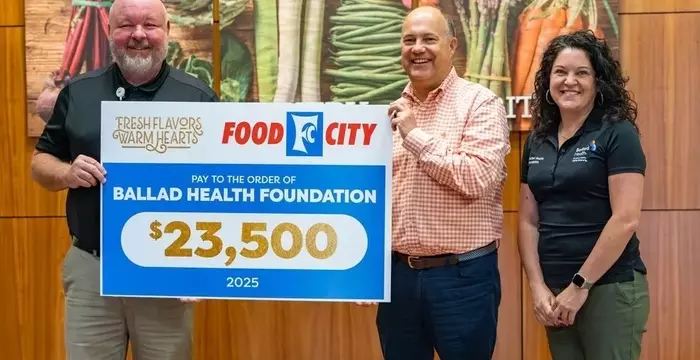
NewsFood City reinforced its longstanding support for Niswonger Children’s Hospital through an annual check presentation on Friday, amounting to $23,500 this year. This contribution will aid the hospital's continuous initiatives and also support Ballad Health’s breast cancer screening programs. The partnership highlights Food City's commitment to enhancing healthcare services for children and contributing to critical health screenings within the community. This act underscores a shared mission between Food City and these health organizations to improve public health outcomes in the region.
 News
NewsPresident Trump's anti-LGBTQ+ executive orders, including a ban on transgender athletes in girls’ and women’s sports, have drawn unexpected Democratic support. However, this stance perpetuates harmful myths and stigma against trans individuals. Research shows that allowing trans youth to participate in sports consistent with their gender identity improves their mental and physical health, reduces suicidality, and fosters inclusion without harming cisgender participants. States with inclusive policies even see increased sports participation among all girls. Myths about unfair advantages or threats to girls' sports are debunked by evidence showing trans athletes vary greatly in ability, similar to cis athletes. Democrats should prioritize the well-being of trans youth over political gain, as denying them sports opportunities causes unnecessary harm.
 News
NewsUS stocks are declining due to a tech sector sell-off, fueled by potential US actions against allies with semiconductor plants in China, which has reignited trade war concerns and impacted chip stocks. Conversely, stablecoin issuer Circle's shares are rising following its first buy rating, with analysts predicting significant growth in the global stablecoin market. Kroger's shares are also climbing after exceeding sales estimates and upgrading full-year sales guidance, despite noting economic uncertainty as a possible challenge. This Yahoo Finance market minute highlights these key movements and suggests scanning a QR code for further details on stock performance.
 News
NewsWyoming's tax policies, highlighted by Governor Mark Gordon, emphasize predictability and stability, making the state highly attractive to wealthy homebuyers. With no income tax and support for dynasty trusts, which minimize taxes for wealth transfer across generations, Wyoming offers significant financial advantages. Latham Jenkins of Live Water Jackson Hole notes it as the "most tax-friendly state," further boosted by untaxed retirement benefits. The median home price in Wyoming was $495,000 in May, but luxury properties, particularly in Teton County, command millions, with 3% of homes priced over $5 million. Buyers of homes above $10 million often use cash transactions due to tax benefits, while lower-priced homes are more likely to involve mortgages. Wyoming’s real estate market shows resilience, with sellers holding properties longer and confidence in pricing strategies.